

If you’ve been reading about detox, you may have seen “liver cleanse” teas, extreme protocols, or confusing advice. At Restore, we focus on something more practical: supporting the liver’s natural detoxification pathways—the same way your body was designed to do it, every day.
Your liver is central to detox because it helps process and clear substances your body can’t use, while also producing compounds that support digestion, antioxidant defense, and metabolic health. When your liver is under strain—often from poor gut function, chronic stress, nutritional gaps, or exposure to environmental toxins—your body may not clear things as efficiently as you’d like. That can contribute to feeling off, with symptoms like fatigue, brain fog, skin changes, digestive discomfort, or lingering inflammation.
The good news: nutrient support can make a real difference.
Nutrients that support our liver health
1. Glutathione
Glutathione is one of your liver’s most important antioxidant and detox-support molecules. It helps neutralise reactive compounds and supports the liver’s ability to process toxins safely so they can be eliminated. When glutathione levels are low or the body is under high oxidative load (often from stress, poor sleep, inflammation, limited nutrition, or exposure to toxins), detox pathways can become less efficient, which may contribute to how you feel overall—fatigue, brain fog, and other “detox-related” symptoms.
You can up your glutathione levels by supporting your body’s natural production and reducing oxidative stress: eat glutathione-supportive foods such as cruciferous vegetables (broccoli, Brussels sprouts, cauliflower) and alliums (garlic, onions) plus adequate protein for the amino acids used to build glutathione; consider supplements like N-acetylcysteine (NAC) if appropriate for your health situation; and strengthen antioxidant capacity by prioritising sleep, managing stress, and ensuring sufficient key micronutrients (like vitamin C, selenium, zinc, and magnesium).
2. Folate, B vitamins, and methylation support
Your liver depends on the body’s methylation cycle to support detox and metabolism. B vitamins—especially folate and B12—are often relevant when methylation support is needed.
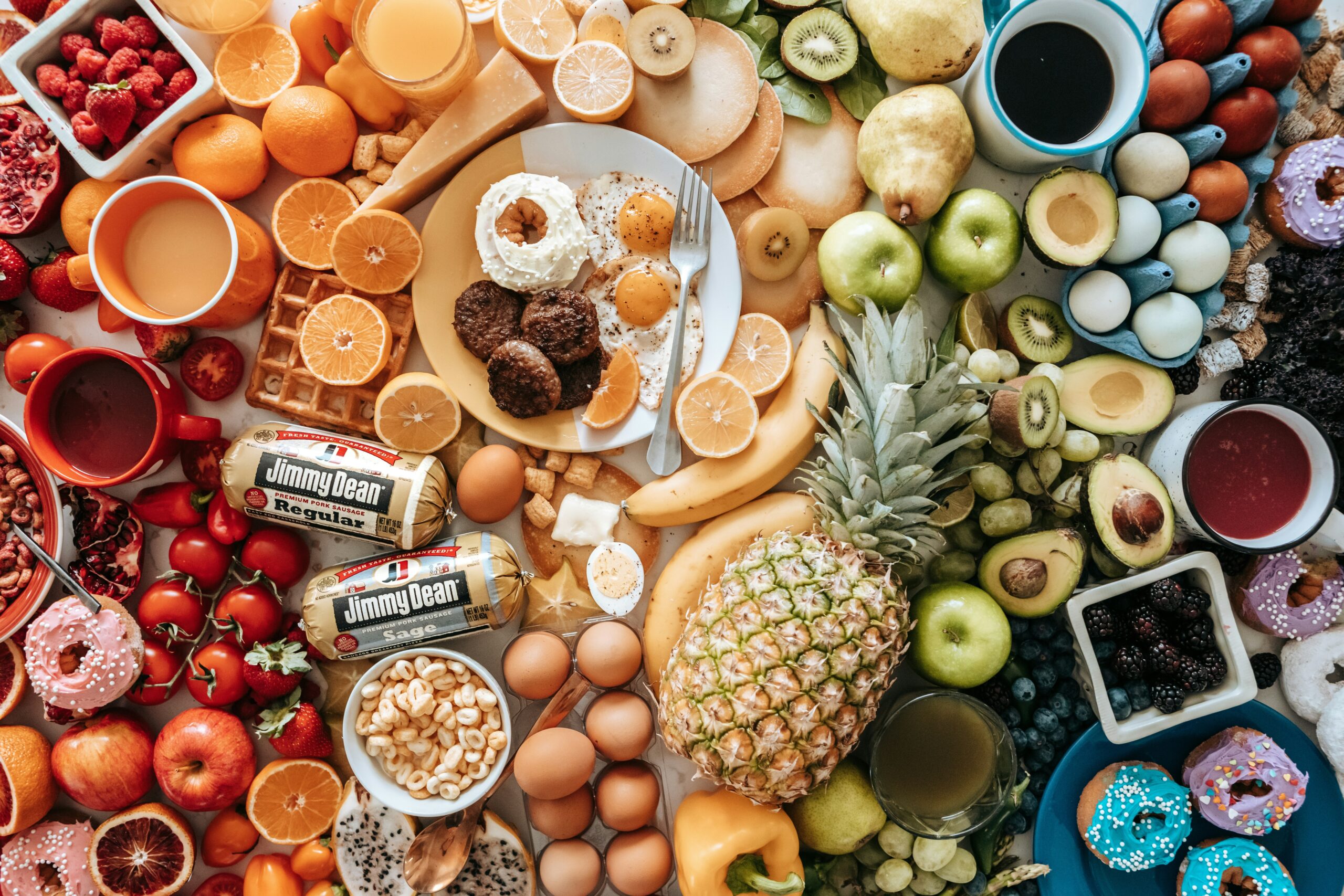
You can support folate, B vitamins, and methylation by making sure you’re getting enough B-rich nutrients through your diet—especially leafy greens, beans, lentils, citrus, eggs, and other whole-food sources—and by addressing absorption or deficiency contributors (like low intake, GI issues, or medication effects); foods rich in folate and B12 support methylation capacity, while key B vitamins like B6, riboflavin (B2), and B12 help the methylation cycle run efficiently.
3. Minerals that support antioxidant defense and elimination
The liver doesn’t work in isolation. Minerals play an indirect but powerful role in glutathione and antioxidant defense because many antioxidants work as enzyme systems—and enzymes require specific mineral “co-factors” to function. They also support elimination, especially through liver, bile, kidney, and gut processes.
- Zinc – By supporting normal immune function and tissue repair, zinc can reduce the downstream inflammatory burden that increases antioxidant demand. Food sources include oysters and shellfish, beef/lamb, pumpkin seeds, beans, chickpeas, dairy.
- Magnesium – When magnesium is low, people often experience higher stress physiology and poorer recovery—conditions that can increase antioxidant requirements. Food sources include leafy greens, nuts (especially almonds), seeds (pumpkin/chia), beans, cocoa, avocado.
- Selenium – This supports the “neutralise and prevent damage” side of detox—helping protect cells while the liver processes compounds. Food sources include brazil nuts (very high), seafood, eggs, turkey/chicken, whole grains (amount varies by soil).
4. Fiber and gut-support nutrients
Detox isn’t only liver-driven—the gut is an essential part of elimination. If bile, toxins, or waste aren’t moving efficiently through the GI tract, you can end up with reabsorption instead of clearance. When fiber helps keep bowel movements regular and supports a healthy microbiome, it can reduce the time waste and bile-related byproducts spend in the digestive system—lowering the chance they get reabsorbed and adding less “load” back to the liver. Meanwhile, gut-support nutrients (like prebiotic fibers and certain micronutrients that nourish beneficial microbes) help promote a more balanced gut environment, which can support healthy bile flow, digestion, and lower inflammatory signaling that increases oxidative stress.
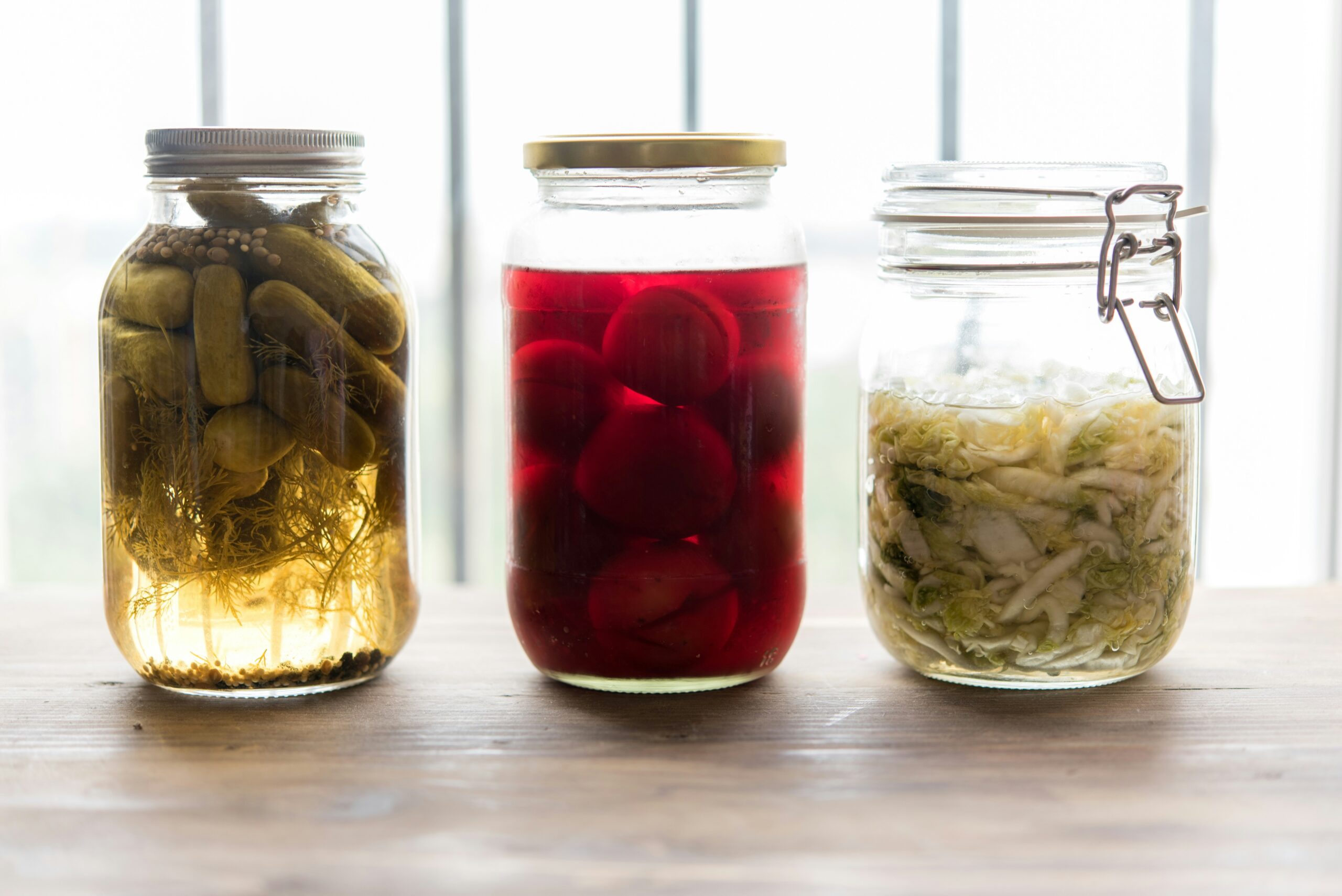
Aim to gradually increase dietary fiber—especially from vegetables, beans/lentils, berries, chia/flax, and whole grains—and drink adequate fluids so fiber can do its job. Add prebiotic fibers (like inulin/chicory root, garlic/onions, asparagus, oats, and legumes) to help support a healthier microbiome, and consider fermented foods (yogurt, kefir, sauerkraut, kimchi) if you tolerate them to introduce beneficial microbes.
A functional medicine approach to detox
At Restore we focus on supporting your body’s natural detoxification pathways (liver, gut, kidneys, lungs, immune system, and antioxidant systems) rather than doing a harsh “cleanse.” It usually starts with finding the root causes that make detox less efficient—things like poor nutrient intake, constipation or gut dysbiosis, inflammation, blood sugar instability, chronic stress, sleep disruption, alcohol use, or exposure to certain environmental triggers.
From there, we will create a personalised plan that supports liver phase I/II pathways, reduces oxidative stress (often with nutrition and targeted antioxidant support), improves gut motility and microbiome balance (fiber, pre/probiotics, addressing digestion), supports bile flow and elimination, and corrects nutrient deficiencies. The goal is to help your body clear what it’s processing more safely and effectively, often by stepping in early to prevent reabsorption and supporting elimination—rather than pushing “detox” harder.
Detox program at Restore
Our unique detox program combines nutrition, nutraceuticals, intravenous antioxidant infusion, infrared sauna and lymphatic massage to enhance all channels of detoxification. This is helpful for removing toxins like heavy metals and mold toxins from the body.
- Nutrients and nutraceuticals – Supplementing with vitamins, antioxidants and certain nutrients like Milk Thistle and DIM helps to enhance the liver enzymes in phase I and phase II of detoxification for removal of toxins from the hepatic and biliary pathway.
- IV therapy of antioxidants and medical chelation – This helps in the direct delivery of the antioxidants to the liver and fighting oxidative stress from heavy metals. Chelation helps in pulling out of the heavy metals that are deposited in the body.
- Infrared sauna – Our unique Sunlighten Sauna is a medical detoxification infrared sauna with a patented Nasa technology to deliver precise near, mid and far wavelengths of infrared for delivering specific health benefits. Sunlighten high-quality infrared promotes effortless, deep, productive sweat for detoxification.
- Lymphatic massage – A good lymphatic massage is helpful for stimulating the lymphatic drainage system in the body to remove excess fluids and eliminate waste and toxins from the body. Our experienced lymphatic massage therapist will work on your drainage channels to reduce fluid retention and help
unclog your lymphatic channels for detoxification.
If you are interested in our detox program, please make a booking here.
References
General glutathione analysis in redox/detoxification (review):
Ghezzi P, Analysis of glutathione: implication in redox and detoxification. Journal/ScienceDirect (2003). (sciencedirect.com)
NAC increases glutathione in humans (study):
Pessini F, et al. Effects of oral N-acetylcysteine on plasma homocysteine and whole blood glutathione levels… (2002). (pubmed.ncbi.nlm.nih.gov
Dietary phytonutrients overview for glutathione support (review):
A Review of Dietary (Phyto)Nutrients for Glutathione Support. Nutrients (2019). (pubmed.ncbi.nlm.nih.gov)