

You’re not sleeping well. Your weight won’t budge no matter what you cut out. Some days you snap at your partner over nothing, and you don’t even recognize why. If this sounds familiar, you’ve probably already searched a dozen versions of “why do I feel like this” and landed on the same word again and again: hormones.
Hormone imbalance symptoms in women are common, and easy to dismiss as stress, aging, or a busy season of life. Hormonal changes can affect mood, sleep, metabolism, menstrual cycles and other aspects of health, although similar symptoms can also have other causes.
This guide breaks down what those symptoms actually look like, what causes them, and how women in Hong Kong can find a doctor who takes the full picture seriously instead of handing over a pamphlet on stress management.
What Counts as a Hormone Imbalance, Exactly
Hormone levels naturally fluctuate with age, menstrual cycles, pregnancy, stress and other factors. Key hormones include estrogen, progesterone, testosterone, cortisol, thyroid hormones and insulin. In some cases, hormone levels that are too high or too low, or changes in how the body responds to hormones, may contribute to symptoms or indicate an underlying health condition.
This can happen for a lot of reasons:
- Natural transitions like perimenopause or postpartum recovery
- Chronic stress, which can affect cortisol levels and may influence sleep, mood and other aspects of health
- Thyroid conditions, which can cause symptoms that overlap with other hormonal or health concerns
- Polycystic ovary syndrome (PCOS)
- Poor or disrupted sleep, which can affect hormonal and metabolic processes
- Certain medications or long-term nutrient deficiencies
The tricky part is the overlap with everyday tiredness or stress. Because these symptoms can overlap with stress, sleep problems and other health conditions, it may take time to identify what is contributing to them.
The Symptoms Women Actually Report
Textbooks tend to lead with hot flashes, but a 2024 study of perimenopausal and menopausal women published in BJPsych Open found the five most common symptoms were actually fatigue, memory problems, difficulty concentrating, irritability and feeling tense or anxious, with hot flashes ranking much lower. The symptoms most women deal with day to day are often the ones that get the least attention.
Here’s what tends to show up, grouped by what’s usually driving it:
Energy and sleep
- Waking up tired even after a full night’s sleep
- Trouble falling or staying asleep
- Afternoon energy crashes that coffee doesn’t fix
Mood and mind
- Irritability that feels disproportionate to what’s happening
- Anxiety or a low, flat mood that wasn’t there before
- Brain fog, forgetfulness, or trouble concentrating
Cycle and reproductive health
- Periods that become heavier, lighter, or unpredictable
- Worsening PMS or new mid-cycle symptoms
- Reduced sex drive or vaginal dryness
Body and metabolism
- Weight gain that resists diet and exercise changes, especially around the midsection
- Skin changes, including adult acne or unusual dryness
- Thinning hair or changes in hair texture
- Joint aches without an obvious injury
According to Mayo Clinic, perimenopause typically starts in a woman’s 40s and can last four to eight years, with hormone levels fluctuating rather than declining in a straight line, which is part of why symptoms can feel unpredictable. If you’re in your late 30s or 40s and several of these symptoms sound familiar, that timing isn’t a coincidence.
Why This Is Easy to Miss in Hong Kong
Hong Kong’s pace doesn’t leave much room for slowing down to ask “why.” Long work hours, high-pressure jobs and a culture that often treats exhaustion as normal all make it easy to write off early hormone symptoms as just part of the grind.
There’s also a practical barrier: a standard GP visit rarely has time to dig into cycle history, sleep patterns and stress load in one conversation. Many women end up with a single blood test that comes back “within normal range,” even though normal range is wide and doesn’t always reflect what’s optimal for you specifically. This is often where women start looking for an integrative medicine doctor, someone with the time to look at the full pattern rather than one isolated number.
What a Proper Hormone Evaluation Looks Like
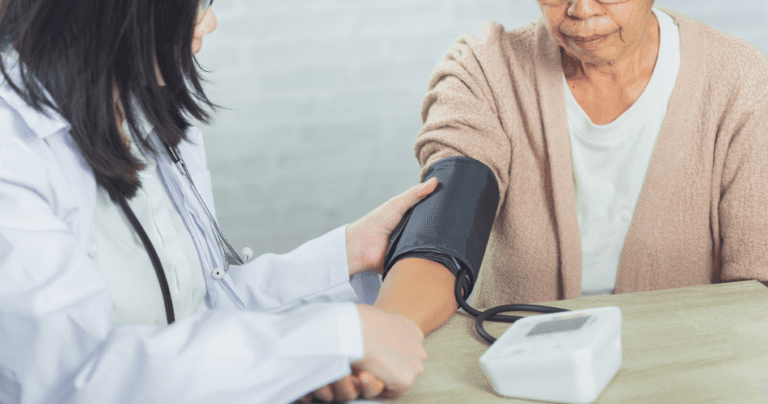
If you’re bringing this up with a doctor for the first time, here’s what a thorough evaluation should generally include:
- A detailed history. Cycle patterns, sleep, stress, diet and family history all matter here, not just your current symptoms.
- Specific testing. Depending on your symptoms, this might be estrogen, progesterone, testosterone, thyroid, cortisol etc. not a single generic test.
- What are your goals? Managing perimenopause, fatigue and fertility require different plans.
- A personalized plan which may include lifestyle changes, nutritional support or hormone therapy depending on the results.
- Follow up testing. Hormones change so a one time snapshot isn’t the end of the story. Re-testing after a few months confirms if the plan is working.
Treatment Options: Comparing Your Approaches
There’s no single right approach. What’s appropriate depends on your symptoms, medical history, goals, and individual needs. Here’s a general comparison of approaches that may be considered.
| Lifestyle & Nutrition | Hormone Replacement Therapy | Integrative Therapy | |
| Approach | Supports overall health through sleep, stress management, nutrition, and lifestyle changes | Uses prescribed hormone therapy when clinically appropriate | Combines conventional medical care with nutrition, lifestyle, and other supportive strategies |
| What it may involve | Diet, physical activity, sleep, stress management, and appropriate nutritional support | Prescribed estrogen, progesterone, or other hormone therapy under medical supervision | Medical treatment alongside nutrition, stress management, and lifestyle support |
| Timeline | Varies by individual | Varies by treatment and individual response | Varies according to the treatment plan and individual response |
| Requires a prescription | Generally no | Yes | Depends on the treatments included |
| Ongoing monitoring | May be recommended depending on individual needs | Medical monitoring and follow-up are important | Depends on the therapies and medical treatments involved |
These approaches don’t always have to be considered separately. Depending on your symptoms and medical history, a doctor may recommend lifestyle changes alongside hormone replacement therapy or other integrative therapy as part of an individualized treatment plan.
A Note on Testosterone and Hormone Therapy in Hong Kong
Testosterone levels can change over time and low libido can have multiple hormonal and non-hormonal causes that require medical evaluation. That said, it’s worth being clear about the legal side: testosterone is a prescription only medicine in Hong Kong under the Pharmacy and Poisons Ordinance and using or obtaining it without a valid prescription from a registered doctor is illegal. If you’ve searched for ways to buy testosterone in Hong Kong without a prescription, the safer and legal route is the same either way: a proper hormone evaluation with a licensed doctor who can test your levels and prescribe treatment if it’s appropriate for you.
This isn’t just about staying on the right side of the law. Hormone therapy should be prescribed and monitored by an appropriately qualified doctor because its suitability, dosage, benefits and risks vary between patients.
Getting the Most Out of Your Appointment
- Track your symptoms for two to four weeks beforehand. Note your cycle, sleep, mood and energy day by day. Patterns are far more useful to a doctor than a general “I feel off.”
- Write down your family history. Thyroid disease, early menopause and PCOS often run in families.
- Ask what each test actually measures. You should understand your results, not just receive a printout.
- Set a realistic timeline. Treatment response and follow up timelines vary depending on the underlying condition, treatment used and individual patient response.
Frequently Asked Questions
What are the earliest signs of a hormone imbalance in women?
Possible hormone imbalance symptoms can include fatigue, sleep changes, mood changes and menstrual cycle irregularities. However, these symptoms can have many causes and do not necessarily mean you have a hormonal imbalance.
Can stress alone cause hormone imbalance symptoms?
Chronic stress can affect the body’s stress-response systems and may contribute to symptoms such as sleep problems, fatigue or mood changes. However, these symptoms can have many causes so persistent concerns should be medically evaluated.
Is hormone replacement therapy safe for most women?
Hormone replacement therapy can be an appropriate treatment for some women, particularly for certain menopausal symptoms. However, its potential benefits and risks vary depending on factors such as age, medical history and the type of therapy used. Treatment should be discussed with an appropriately qualified doctor.
How do I find a good integrative medicine doctor in Hong Kong?
Look for a doctor with formal medical training who also has additional training in integrative or functional approaches and who orders targeted testing based on your symptoms rather than a one-size-fits-all panel.
Do I need a referral to get hormone testing in Hong Kong?
A referral is not required to book a hormone health consultation directly with Restore Integrative Medical Clinic. Insurance requirements may vary, so check with your provider if you plan to make a claim.
Understanding Hormone Imbalance Symptoms and Your Next Steps
Fatigue, mood changes or changes in your cycle can have many causes. If you’re experiencing ongoing hormone imbalance symptoms, a proper medical evaluation can help identify potential causes and determine if further testing or treatment is needed.
At Restore Integrative Medical Clinic, our team combines conventional medical training with integrative expertise to take a comprehensive approach to evaluating hormone health.
You can learn more about our approach, explore our full range of medical services, or book a consultation to discuss your symptoms and whether further evaluation or treatment may be appropriate.