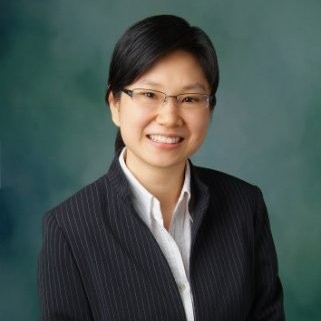
 Wendy Lam
Wendy is a Physiotherapist who has had extensive training in Holistic Therapies in both Hong Kong and the United States. She integrates Physiotherapy, Craniosacral Therapy (CST), Integrative Manual Therapy (IMT) and Acupuncture to facilitate optimum recovery and healing in her patients. With her compassion and deep interest in holistic wellness of patients, Wendy continues to evolve her professional training in natural, gentle and effective healing modalities other than manual therapies by including Nutrition, Lifestyle Medicine, Psycho-therapeutic modalities and other complementary treatment methods.

Persistent fatigue, digestive concerns, hormonal symptoms, sleep problems, or recurring health issues can sometimes involve several contributing factors. Integrative medicine takes a broader approach by combining conventional medical assessment with evidence-informed guidance on nutrition, movement, sleep, stress, and other lifestyle factors. However, the quality of care can vary, and the term “integrative” does not automatically confirm a practitioner’s qualifications or treatment standards.
This guide explains what an integrative medicine doctor in Hong Kong does, how integrative care may complement conventional treatment, and which credentials you should verify before booking. You will also learn what to expect during a consultation, which questions to ask about testing and treatment, and how to recognise a clinic that provides transparent, personalised, and medically responsible care.
What Is Integrative Medicine, Really?
Integrative medicine combines conventional medical training with evidence-informed complementary approaches, such as nutrition, lifestyle medicine and selected complementary therapies, alongside appropriate medical assessment and testing. It’s not an alternative to conventional medicine. It’s meant to work alongside it, using standard diagnostics and treatments where they’re needed, while also looking at diet, sleep, stress, and other lifestyle factors that conventional visits often don’t have time to cover.
This is different from what some people picture when they hear “natural medicine doctor.” Integrative medicine isn’t about avoiding medication or rejecting conventional diagnosis. It’s about widening the lens: using blood tests and medical history the same way a standard doctor would, but also asking questions about your gut health, stress levels, and daily habits that might be contributing to how you feel.
A well-trained integrative medicine doctor in Hong Kong is usually a conventionally trained physician who has pursued additional training in functional or integrative approaches, not someone practising outside of medical qualifications altogether. That distinction matters a lot when you’re trying to find someone trustworthy.
Why People in Hong Kong Are Turning to Integrative Medicine
Hong Kong’s pace of life brings a specific set of health challenges: chronic stress, disrupted sleep, poor gut health from irregular eating patterns, and hormone-related symptoms that often get dismissed as “just stress” or “just ageing” in a rushed consultation. Many people end up seeing several different specialists for what turns out to be connected issues, without anyone stepping back to look at the full picture.
This is where integrative therapy may add value. Instead of considering symptoms individually, an integrative medicine doctor examines how factors such as gut health, hormones, sleep, stress, and daily habits may be connected while keeping appropriate medical evaluation and treatment central to the plan. At Restore Integrative Medical Clinic, our integrative health professionals work across different specialities to provide coordinated, personalised care.
What a Good Integrative Medicine Doctor Should Actually Do
The word “integrative” gets used loosely in marketing, so it helps to know what genuinely good care looks like in practice. Here’s what to expect from a properly trained integrative medicine doctor:
- A long, thorough initial consultation. This usually takes significantly longer than a standard GP visit, since your doctor needs time to go through your full medical history, lifestyle, diet, sleep, and stress levels, not just your current symptom.
- Appropriate testing, not testing for its own sake. Good integrative care uses targeted blood work and other appropriate investigations when clinically relevant, rather than ordering broad testing panels without a clear medical reason.
- A plan that considers contributing factors. Rather than only prescribing something to manage a symptom, a good doctor will explore what might be driving it, whether that’s gut health, hormone imbalance, nutrient deficiency, or chronic stress.
- Collaboration with other practitioners. Integrative therapy often involves working alongside nutritionists, physiotherapists, and other allied health professionals as part of a coordinated plan, rather than leaving you to piece different specialists together on your own.
- Honest limits. A trustworthy natural medicine doctor should be upfront when conventional treatment is the more appropriate or urgent option, rather than avoiding it in favour of a purely holistic approach.
If any of these elements are missing, that’s worth asking about directly before committing to a long-term treatment plan.
Health Concerns That May Be Discussed in Integrative Care
Integrative medicine doctors in Hong Kong commonly see patients dealing with:
- Persistent fatigue requiring further medical and lifestyle assessment
- Hormone-related symptoms, including menopause-related concerns and medically assessed testosterone or thyroid conditions
- Digestive issues like bloating, irregular bowel habits, or food sensitivities
- Chronic stress, sleep disturbances, and burnout
- Weight management that hasn’t responded to typical diet and exercise advice
- Autoimmune conditions where lifestyle and nutrition may play a supporting role in management
This isn’t a complete list, and it’s worth noting that not every condition is best managed through an integrative approach alone. Serious or acute conditions still need conventional diagnosis and treatment first, with integrative therapy playing a supporting role rather than a replacement.
Restore Integrative Medical Clinic offers medical services covering hormonal health, gut health, preventative screening, and other areas of personalised care.
Questions to Ask Before Choosing an Integrative Medicine Doctor
Since the term isn’t tightly regulated the way “specialist” titles are, it helps to ask a few direct questions before booking:
- What is the doctor’s medical qualification and training background, and what additional training do they have in functional or integrative medicine?
- How long is a typical first consultation, and does it include a full history and lifestyle review?
- Will testing be based on my specific symptoms, or is it a standard package regardless of what I’m dealing with?
- How does the clinic coordinate care if I also need to see a nutritionist, physiotherapist, or other practitioner?
- Will the doctor refer me to conventional specialists or emergency care if something urgent comes up?
A doctor who answers these questions clearly and openly discusses their qualifications is generally a positive sign. You can also review the background and training of our integrative health professionals, as transparent credentials matter more than marketing claims.
Integrative Medicine vs Functional Medicine vs Natural Medicine: What’s the Difference?
These terms overlap so much that they’re often used interchangeably, but there are some general distinctions worth knowing.
Integrative medicine typically refers to combining conventional and complementary approaches side by side. Functional medicine leans more specifically toward identifying root causes through detailed testing and a systems-based view of the body. Natural medicine doctor is a broader, less formal term that can refer to a range of practitioners, some medically trained, some not, so it’s worth checking credentials carefully if this is the term you’re searching for.
In practice, many clinics in Hong Kong, including ours, blend these approaches rather than sticking rigidly to one label. What matters more than the exact terminology is whether the doctor is properly qualified, transparent about their approach, and willing to work alongside conventional medicine rather than instead of it.
How Integrative Therapy Fits Into a Longer-Term Health Plan
Depending on the concern, integrative care may involve an initial assessment followed by further appointments to evaluate progress, review results and adjust the treatment plan. Concerns involving hormonal health, digestive symptoms, sleep, or chronic stress may require time to assess, monitor, and manage appropriately. A realistic plan usually involves an initial deep-dive consultation, targeted testing, a personalised plan combining medical and lifestyle interventions, and follow-up appointments to track progress and adjust the approach.
If you’re dealing with menopause-related symptoms specifically, our article on managing menopause symptoms with functional medicine, nutrition, and exercise shows what this kind of integrative approach looks like for a specific condition. And if testosterone or hormonal ageing in men is more relevant to you, our piece on a holistic approach to testosterone health for men covers similar ground from that angle.
Frequently Asked Questions
- Is an integrative medicine doctor a real medical doctor?
The term “integrative practitioner” may be used by professionals with different qualifications. If someone describes themselves as an integrative medicine doctor, confirm that they are a licensed medical doctor and review their training and professional registration. Other integrative practitioners, such as nutritionists or therapists, may contribute to care but should not present themselves as medical doctors unless appropriately licensed.
- Does integrative medicine replace my regular doctor?
Not usually, and it shouldn’t. Integrative medicine typically works alongside conventional care, addressing lifestyle and root-cause factors while still relying on standard diagnosis and treatment when needed.
- How is integrative medicine different from seeing a GP?
The biggest practical difference is usually time and scope. A GP visit is often short and focused on the immediate complaint, while an integrative medicine consultation typically involves a longer, more detailed review of your full health history and lifestyle.
- Is integrative medicine covered by insurance in Hong Kong?
Coverage varies significantly between insurance providers and plans. It’s worth checking directly with your insurer and the clinic before booking, since some services may be covered while others are not.
- How do I know if I need a functional medicine clinic instead of a standard specialist?
If your symptoms are ongoing, haven’t been fully explained by standard testing, or seem to involve multiple overlapping issues like fatigue, digestion, and hormones together, an integrative or functional approach may be worth exploring alongside your existing care.
Choosing an Integrative Medicine Doctor in Hong Kong
Integrative medicine can offer real value when it’s practised properly: a longer consultation, appropriately targeted testing, a plan that considers potential contributing factors, and coordinated care across different practitioners. The key is choosing a genuinely qualified integrative medicine doctor rather than a clinic that’s simply borrowing the term for marketing. Ask about qualifications, expect thoroughness, and look for a team that’s honest about when conventional care is the right next step.
If you’re looking for an integrative medicine doctor in Hong Kong who takes the time to understand your full health picture, meet our team to see how a coordinated, evidence-informed approach could work for you.