
If your periods have become unpredictable, your sleep keeps breaking at 3am, or you feel anxious and foggy in a way that doesn’t seem like you, you may be wondering whether it’s perimenopause. Many women in their 40s start searching for perimenopause treatment in Hong Kong after noticing changes that can initially be mistaken for stress, work pressure, or the effects of a busy lifestyle.
Perimenopause is the transition leading up to menopause, and it can feel confusing because the symptoms often start before periods stop. This guide explains what’s happening in your body, which symptoms to watch for, what treatment options exist, and how to find the right support locally. It’s meant to help you have a clearer conversation with your doctor, not replace one.
What Is Perimenopause?
Perimenopause is the stage when your ovaries gradually begin producing less predictable amounts of oestrogen and progesterone. It usually starts in the 40s, though some women notice changes earlier or later. It can last several years, although the duration varies considerably from one person to another.
Menopause itself is confirmed only after 12 months without a period. Everything before that point, when hormones are still fluctuating, is perimenopause. This is why symptoms can feel so uneven. One month may feel almost normal, the next may bring hot flushes, a heavy period, and poor sleep all at once.
One important point: you can still become pregnant during perimenopause, even when periods are irregular. If you’re not planning a pregnancy, ask your doctor about contraception alongside symptom management.
Common Perimenopause Symptoms: What Women in Hong Kong Should Know
Perimenopause symptoms in Hong Kong are the same as anywhere else, but they often land on top of a demanding lifestyle with long work hours, family responsibilities, and high stress. That can make them easy to dismiss or blame on something else.
Common signs include:
- Irregular periods. Cycles may get shorter, longer, lighter, or heavier.
- Hot flushes and night sweats. Sudden heat, sweating, and disrupted sleep.
- Sleep disturbances. Trouble falling asleep or waking in the early hours.
- Mood changes. Irritability, low mood, anxiety, or feeling emotionally flat.
- Brain fog. Trouble concentrating or remembering words and details. If this is your main concern, read about brain fog testing and treatment in Hong Kong.
- Vaginal dryness and discomfort. Sometimes with a lower sex drive or recurrent urinary symptoms.
- Joint aches, headaches, and fatigue.
- Weight changes. Especially around the middle, even without changes in eating habits.
Not every woman has all of these, and many of these symptoms can also come from thyroid problems, low iron, high stress, or other health conditions. That’s why checking, rather than guessing, is worth it. A health screening can help rule out other causes before you assume everything is hormonal.
How Is Perimenopause Diagnosed?
There isn’t a single test that confirms perimenopause. Hormone levels like oestrogen and FSH can swing from day to day, so one blood test often can’t give a clear answer. Most doctors diagnose perimenopause based on your age, your symptoms, and changes in your menstrual cycle.
Blood tests still have a role. They may be used to rule out thyroid issues, anaemia, or other conditions, or to assess your health before starting any treatment. A good perimenopause doctor in Hong Kong will take a careful history, ask about your cycle pattern, and review your family and medical background before suggesting anything.
Perimenopause Treatment Options in Hong Kong
Treatment isn’t one-size-fits-all. The right plan depends on which symptoms bother you most, your health history, and your personal preferences. Options usually fall into a few groups.
Lifestyle and Nutrition Support
Lifestyle changes won’t stop perimenopause, but they can make symptoms easier to handle. Regular exercise, including strength training, supports mood, sleep, and bone health. Limiting alcohol and caffeine may reduce hot flushes and sleep disruption for some women. Eating enough protein and fibre, and managing stress, can also help. For practical ideas, see our guides on the best exercises for women during menopause and how the Mediterranean diet can help manage menopause symptoms.
Hormone Therapy for Perimenopause in Hong Kong
Hormone therapy typically provides oestrogen, with progestogen generally required for women with a uterus to protect the endometrium. The exact treatment approach depends on symptoms, medical history, and individual circumstances.
Forms can include tablets, skin patches, gels, and local vaginal oestrogen for dryness and urinary symptoms. During perimenopause, doctors often choose carefully, because your cycle is still active. Some women are offered a low-dose option or a plan that also helps regulate bleeding. Your doctor will explain what suits you.
Hormone therapy isn’t suitable for everyone. Your doctor will review factors such as your personal and family medical history, unexplained vaginal bleeding, liver health, cardiovascular health, and history of certain cancers or blood clots before recommending treatment. Potential risks can include blood clots and, with some types and durations of hormone therapy, a small increase in breast cancer risk, although individual risk varies. The potential benefits and risks of hormone therapy vary depending on factors such as the type of treatment, dose, route of administration, timing, and individual health history. This is why a proper risk and benefit discussion matters before you begin.
For a full overview of the different forms and what to expect, see our guide to hormone replacement therapy in Hong Kong.
Non-Hormonal Options
If you can’t or prefer not to use hormones, there are other routes. Some non-hormonal medicines may help with hot flushes or mood symptoms, and talking therapies such as cognitive behavioural therapy can help with sleep and low mood. Local vaginal moisturisers can ease dryness. Your doctor can explain which options have good evidence and which don’t.
Integrative and Complementary Support
Some women also choose integrative support alongside medical care, such as nutrition support, stress management, or other complementary approaches. These approaches can feel supportive, but they work best as part of a plan, not instead of a proper medical assessment. An integrative assessment may also consider factors such as thyroid function, sleep, nutrition, and stress where clinically relevant, alongside appropriate medical evaluation and treatment.
When Should You See a Perimenopause Doctor in Hong Kong?
It’s worth booking an appointment if:
- Symptoms are affecting your sleep, work, mood, or relationships
- Your periods become very heavy, last much longer than usual, or happen far more often
- You have bleeding between periods or after sex
- You’re under 40 and noticing perimenopause-like changes
- You’re unsure whether your symptoms are hormonal or something else
You don’t need to wait until symptoms are severe. Seeking support early can help you better understand your symptoms, explore appropriate management options, and establish a baseline for future follow-up.
Still hearing mixed messages about this stage of life? Our article Menopause Misunderstood clears up common myths and knowledge gaps.
What to Expect at Your First Appointment
A good first visit usually includes:
- A detailed history. Your symptoms, cycle changes, medications, and personal and family health history.
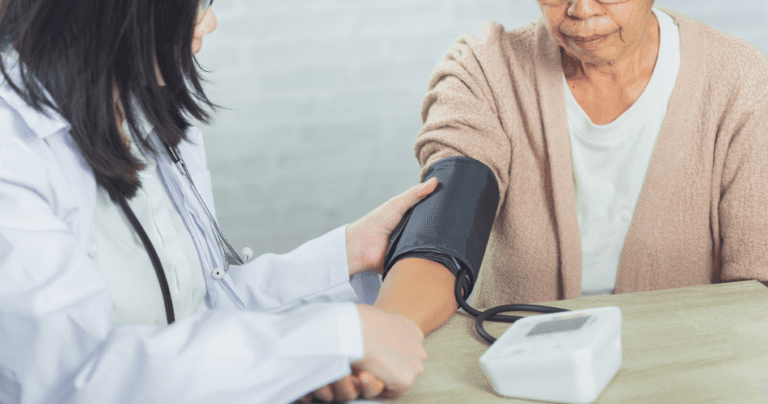
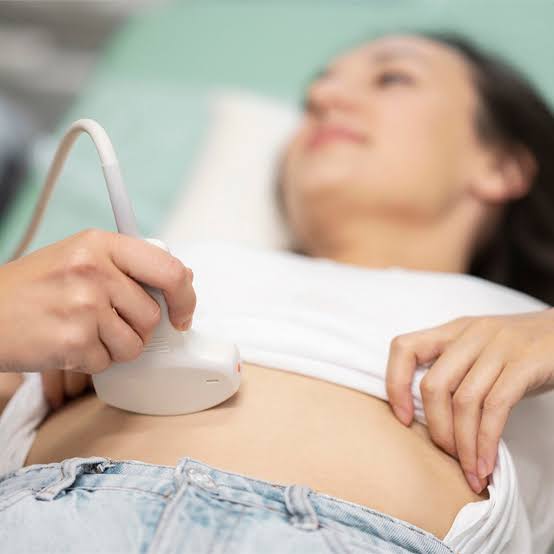
- A physical check and relevant tests. This may include blood pressure checks, blood tests, and other screening as clinically appropriate.
- A clear discussion of options. Lifestyle, hormone and non-hormone choices, with benefits and risks explained plainly.
- A follow-up plan. Treatment is usually reviewed after about three months, then at regular intervals.
Tracking your cycle and symptoms for a few weeks before your appointment, using a notes app or simple diary, can give your doctor useful information to discuss with you.
Frequently Asked Questions
1. What are the first signs of perimenopause?
Early signs can include changes in your menstrual cycle, hot flushes, night sweats, sleep problems, mood changes, brain fog, and vaginal dryness. Symptoms vary from person to person, so persistent or disruptive changes are worth discussing with a doctor.
2. At what age does perimenopause usually start?
Perimenopause commonly begins in the 40s, although some women notice changes earlier or later. If you develop perimenopause-like symptoms before age 40, speak with a doctor to check for other possible causes.
3. How long can perimenopause last?
The duration varies considerably. Some women experience perimenopause for a few years, while others have symptoms for longer. Symptoms can also change in frequency and intensity throughout the transition.
4. Is hormone therapy safe during perimenopause?
Hormone therapy can be an appropriate option for some women, but it is not suitable for everyone. The benefits and potential risks depend on factors such as your medical history, age, treatment type, dose, route, and duration. A doctor can assess your individual circumstances and discuss whether hormone therapy is appropriate for you.
5. Can you still get pregnant during perimenopause?
Yes. Ovulation may become less predictable during perimenopause, but pregnancy is still possible. If you do not want to become pregnant, discuss suitable contraception with your doctor.
6. Do I need a blood test to diagnose perimenopause?
Not always. Doctors often assess perimenopause based on your age, symptoms, menstrual cycle changes, and medical history. Blood tests may sometimes be used to investigate other possible causes of your symptoms or when additional assessment is needed.
7. What kind of doctor should I see for perimenopause in Hong Kong?
You can start by speaking with a family medicine doctor, gynaecologist, or a doctor experienced in hormone health. The right choice depends on your symptoms, medical history, and treatment needs. You can also meet our team to see the practitioners who support women through this stage.
The Bottom Line
Perimenopause can be disruptive, but you don’t have to push through it alone. Understanding your symptoms, knowing the available options, and discussing them with a doctor can help you make informed decisions about your care. Perimenopause treatment in Hong Kong can include lifestyle changes, hormone therapy, non-hormonal medicines, and integrative support, matched to your needs and reviewed over time.
If you’re ready to discuss your symptoms and treatment options, meet our team to learn more about personalised, evidence-informed support for perimenopause.