 Lydia Chan
A certified Integrative Adult and Pediatric Sleep Coach, and one of the few trained CBT-i specialists in the region, Lydia helps individuals and families around the world get the sleep they most need to thrive.
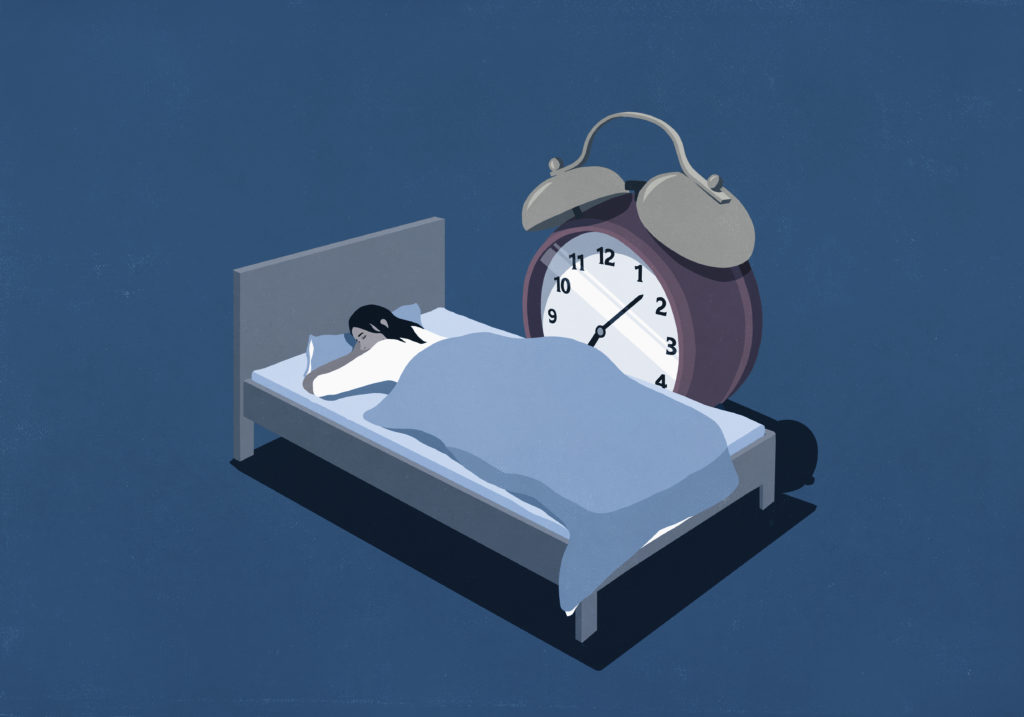
Sleep is not just “rest.” It is one of the most powerful, scientifically proven levers for healthy aging and longevity. While you sleep, your body is actively repairing tissues, balancing hormones, clearing toxins from the brain, and resetting metabolic and immune pathways that determine how well – and how long – you live.
In recent years, large studies and meta‑analyses have made one message clear: consistently getting the right amountof high‑quality sleep is linked to longer life expectancy, while both too little and too much sleep are associated with higher risk of disease and premature death.
The Longevity Sweet Spot: How Many Hours?
Decades of data show a “U‑shaped” relationship between sleep duration and mortality. People who sleep very little or very long tend to have higher death rates, while those in the middle range live the longest. (https://pmc.ncbi.nlm.nih.gov/articles/PMC2856739/)
Multiple large studies have identified roughly **7 hours per night** as the sweet spot for adult longevity:
– Short sleep (commonly ≤ 6 hours) is associated with a higher risk of all‑cause mortality compared with 7–8 hours. [pmc.ncbi.nlm.nih](https://pmc.ncbi.nlm.nih.gov/articles/PMC2856739/)
– Long sleep (commonly ≥ 9 hours) is also linked to increased mortality, often 20–30% higher than the 7–8 hour group. [pmc.ncbi.nlm.nih](https://pmc.ncbi.nlm.nih.gov/articles/PMC2856739/)
– A landmark study of over one million adults found the best survival among those who slept seven hours, with higher death rates in those sleeping less than five hours or more than eight hours.
More recent work has gone further and estimated that adhering to recommended sleep durations can add 1–3 extra years of life expectancy compared with chronic short or long sleep. Taken together, these findings support a practical target: for most adults, aim for around 7 hours of sleep per night to support longevity.
Why Sleep Quality and Regularity Matter
Duration is only part of the story. Sleep quality – how deeply and continuously you sleep – and sleep regularity – how consistent your sleep and wake times are – also have a major impact on healthspan.
A large cohort study of over 60,000 people found that sleep regularity is an even stronger predictor of premature mortality than sleep duration itself. Individuals with highly irregular bedtimes and wake times had significantly higher mortality risk, even when total sleep hours were similar.
Systematic reviews on sleep and healthy aging consistently show that people with good‑quality sleep (few awakenings, minimal insomnia, feeling rested) are more likely to experience “successful aging”: preserved physical health, cognition, mood, and independence into later life. [pmc.ncbi.nlm.nih](https://pmc.ncbi.nlm.nih.gov/articles/PMC2864873/)
From a clinical perspective, it is helpful to think of sleep health as a composite of:
– Adequate duration (around 7 hours for most adults)
– Regular timing (consistent bed and wake times)
– Good continuity (few awakenings, minimal insomnia)
– Natural sleep (limited reliance on sedative medications)
Patients who score well across these dimensions have lower risk of chronic disease and enjoy longer, healthier lives.
How Sleep Slows Biological Aging
Emerging research is now linking sleep directly with biological aging, not just chronological years. Sleep loss and disturbances appear to accelerate aging processes at the cellular and molecular levels.
Reviews of the literature conclude that poor sleep contributes to:
– Altered metabolism and increased oxidative stress
– Impaired repair and restoration mechanisms
– Telomere shortening and increased cellular senescence
– Accelerated epigenetic aging
A recent study published in Nature found that adults who consistently slept either too little or too much showed signs of faster biological aging across multiple organs compared with those sleeping between 6.4 and 7.8 hours per day. In other words, getting the right amount of sleep may help your organs “age more slowly,” supporting long‑term vitality.
Mechanistically, this makes sense. During healthy sleep:
– The glymphatic system flushes metabolic waste and neurotoxins from the brain, protecting cognitive function.
– The immune system performs surveillance and repair, helping control chronic inflammation and cancer risk.
– Hormones such as growth hormone and testosterone are secreted, supporting tissue repair, muscle maintenance, and metabolic balance.
– Cardiovascular and autonomic systems reset, stabilizing blood pressure, heart rate variability, and vascular health.
When sleep is consistently inadequate or fragmented, these protective processes are disrupted, leading over time to earlier onset of diabetes, cardiovascular disease, cognitive decline, and other age‑related conditions. [pmc.ncbi.nlm.nih](https://pmc.ncbi.nlm.nih.gov/articles/PMC9325170/)
Short Sleep, Long Sleep, and Longevity Risks
It is important to understand that both extremes of sleep duration carry risks:
– Chronic short sleep (≤ 6 hours)
Linked to higher rates of obesity, metabolic syndrome, type 2 diabetes, hypertension, coronary artery disease, stroke, and all‑cause mortality. Large population analyses now rank insufficient sleep as one of the strongest behavioral drivers of reduced life expectancy, second only to smoking. [pmc.ncbi.nlm.nih](https://pmc.ncbi.nlm.nih.gov/articles/PMC2856739/)
– Habitual long sleep (≥ 9–10 hours)
Also associated with higher mortality, although this often reflects underlying illnesses such as depression, chronic inflammatory disease, neurodegenerative disorders, or very fragmented, low‑quality sleep that forces longer time in bed. Long sleep should prompt clinicians to look for hidden pathology rather than simply advise “sleep less.” [pmc.ncbi.nlm.nih](https://pmc.ncbi.nlm.nih.gov/articles/PMC9585152/)
For longevity, the target is not more sleep at all costs,but healthy sleep in the optimal range.
Practical Longevity Sleep Guidelines
For patients seeking to improve longevity and healthy aging, the following evidence‑based guidelines are useful:
– Aim for about 7 hours of sleep per night (adjust slightly based on age, individual response, and medical conditions).
– Keep bedtime and wake time consistent, ideally within a 60‑minute window every day.
– Create a wind‑down routine: dim lights, avoid heavy meals and intense work 2–3 hours before bed.
– Get morning daylight exposure and reduce bright screens in the late evening to support circadian rhythm.
– Limit caffeine after mid‑day and alcohol close to bedtime, both of which can fragment sleep.
– Keep the bedroom cool, dark, and quiet; use the bed only for sleep and intimacy.
– Address snoring, witnessed apneas, restless legs, or chronic insomnia promptly through medical evaluation and targeted treatment.
By integrating these changes into daily life, many people notice not just better energy and mood, but also improvements in blood pressure, glucose control, weight regulation, and overall resilience – all critical components of longer healthspan.
Making Sleep a Core Pillar of Longevity Care
For any longevity‑focused program, sleep should sit alongside nutrition, movement, stress management, and targeted therapies as a core pillar. Screening for sleep duration, regularity, and quality, and actively treating sleep disorders, can yield profound gains in both quality of life and life expectancy.
The science is clear: investing in healthy, regular, high‑quality sleep is one of the most accessible and effective strategies to support long‑term vitality and extend your years of healthy living.
Written by Dr Ho See Yunn
Chief doctor Restore Integrative Medical Clinic
Longevity physician
Functional medicine practitioner
Begin Your Longevity Journey in Central, Hong Kong
Whether you’re seeking more energy, hormonal balance, or better sleep during the peri or postmenopausal period, our team at Restore Integrative Medical Clinic is here to guide you.
Book your personalised consultation today and discover what’s possible when your care is built around you.
Restore Integrative Medical Clinic — Room 1602, 16/F, 1 Duddell Street, Central, Hong Kong · +852 2331 8816 · restoreintegrativemedical.com
This article is for educational purposes only and is not a substitute for professional medical advice. Always talk to a qualified healthcare provider about diagnosis and treatment.