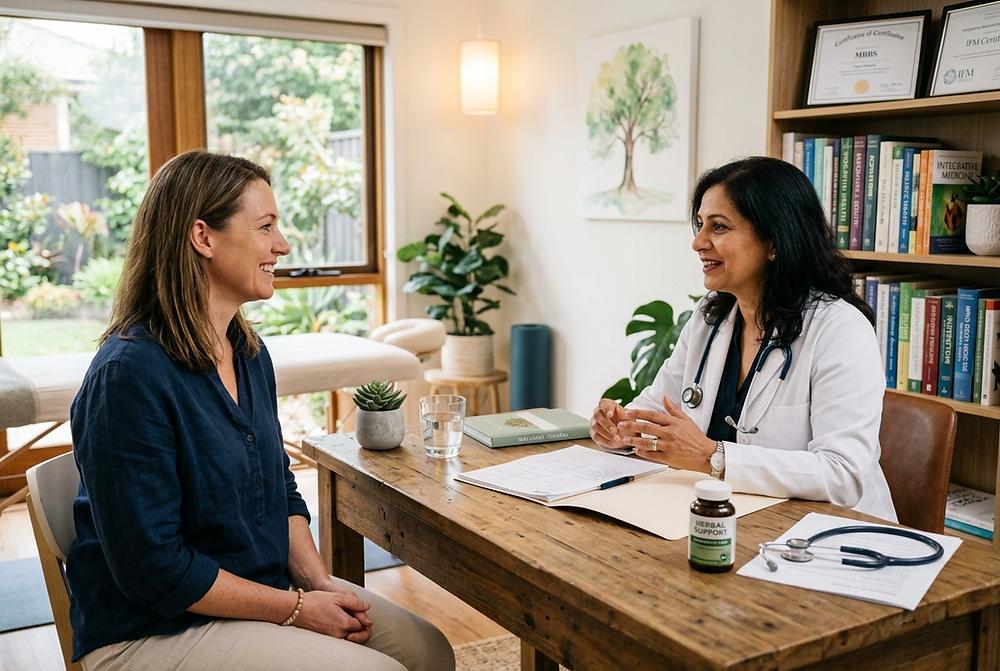
Menopause can affect much more than your menstrual cycle. Changes in sleep, mood, concentration, energy, and body temperature can gradually start interfering with work, relationships, and everyday life. For some women, the first signs are obvious, such as hot flushes or irregular periods. For others, symptoms like poor sleep, anxiety, fatigue, or brain fog can be harder to connect with hormonal changes.
Getting the right medical support can help you understand what is happening and whether your symptoms are related to perimenopause, menopause, or another health concern. A doctor can review your symptoms, medical history, and individual risk factors before discussing suitable treatment options.
If you are exploring menopause treatment in Hong Kong, this guide explains the options available, the benefits and risks of each, and how to find a menopause doctor who suits your needs.
When to See a Menopause Doctor in Hong Kong
Menopause care covers the years around the end of your periods. That includes perimenopause (the lead-up, when hormones fluctuate) and the years after your last period. A menopause doctor aims to find out what is causing your symptoms, rule out other conditions, and build a treatment plan that fits your health and preferences.
You do not need to wait until symptoms are severe. Many women book an appointment when they notice:
- Periods that become irregular, very heavy, or much closer together
- Hot flushes and night sweats that disrupt sleep
- Mood changes, anxiety, or trouble concentrating
- Vaginal dryness or discomfort
Good menopause care considers your broader health alongside your symptoms. Depending on your needs, this may include sleep, stress, nutrition, and other relevant health factors.
What Is Menopause, and What Is Normal in Hong Kong?
Menopause means the end of menstruation. According to the Department of Health’s Family Health Service, a woman’s ovarian function usually starts to decline between the ages of 45 and 55, and menopause is confirmed after one year without a period (Family Health Service). The same service notes that the median age of menopause for Hong Kong women is 51, although the timing varies from person to person.
As oestrogen levels fall, symptoms can include:
- Physical: hot flushes, sweating, heart palpitations, headaches, fatigue, disturbed sleep, and irregular periods
- Vaginal and urinary: reduced lubrication, which can make sex uncomfortable
- Psychological: low mood, irritability, anxiety, mood swings, memory problems, and trouble concentrating
Falling oestrogen also affects the long term. The Family Health Service explains that it speeds up calcium loss, which can make bones porous and brittle, and that menopause is linked with a higher risk of heart disease (Family Health Service).
What Does a Menopause Doctor in Hong Kong Do?
A menopause doctor in Hong Kong does more than hand over a prescription. At a proper consultation, your doctor should:
- Listen to your full story. Your symptoms, cycle pattern, medications, and family history of cancer, clots, and heart disease.
- Check for other causes. Thyroid problems, low iron, and high stress can look a lot like menopause, so testing is sometimes needed.
- Explain your options plainly. Including lifestyle changes, hormone and non-hormone treatments, and the benefits and risks of each.
- Plan your follow-up. Treatment should be reviewed regularly, not left on autopilot.
Not sure whether to start with a gynaecologist, a family doctor, or an integrative practitioner? Our guide on what kind of doctor to see for HRT in Hong Kong explains the differences so you can choose with confidence.
Menopause Treatment Hong Kong: Your Options
Menopause treatment in Hong Kong ranges from lifestyle changes to prescription hormone therapy. There is no single best option. The right plan depends on which symptoms bother you most, your medical history, and your own preferences. Most options fall into four groups.
Lifestyle and Nutrition
The Family Health Service recommends a balanced diet rich in calcium, regular exercise, enough sleep, avoiding smoking and alcohol, and relaxation techniques. Vaginal lubricants can also help with dryness.
Hormone Replacement Therapy
For many women with moderate to severe symptoms, hormone therapy is the most effective treatment. We cover it in more detail below.
Non-Hormonal Options
If you can’t or would rather not take hormones, some non-hormonal medicines may help with hot flushes or mood. Talking therapies such as cognitive behavioural therapy can also help with sleep and low mood. Your doctor can explain which options have good evidence behind them.
Integrative Support
Some women add nutrition support, stress management, or other complementary therapies alongside medical care. These can feel very supportive, but they work best as part of a plan, not as a replacement for a proper medical assessment.
Hormone Replacement Therapy Hong Kong: Benefits and Risks
Hormone replacement therapy (HRT) replaces the hormones that fall during menopause, mainly oestrogen, and often progestogen too if you still have a uterus. The Family Health Service lists the forms as tablets, patches, gel, and vaginal cream.
Benefits. According to the Family Health Service, HRT can relieve hot flushes and night sweats, help prevent osteoporosis (although that protection fades after treatment stops), and improve quality of life. .
Risks. The same page is clear that long-term use increases breast cancer risk, that oestrogen-only therapy raises endometrial cancer risk in women who still have a uterus, and that HRT increases the risk of venous thrombosis (blood clots). It also says there is not enough evidence that HRT prevents cardiovascular disease, and that it should not be used by women who already have established heart disease.
Who should avoid it? HRT is generally unsuitable for women with undiagnosed abnormal vaginal bleeding, a history of blood clots, active liver disease, breast or womb cancer, or established heart disease. The Family Health Service also stresses that regular follow-up is needed throughout treatment.
In short, the benefits and risks depend on your age, health history, the type of HRT, and how long you use it. That is why a careful risk-benefit discussion comes first. For a full walk-through of types and delivery methods, read our guide to hormone replacement therapy in Hong Kong.
Where to Get Menopause Treatment in Hong Kong
Menopause treatment in Hong Kong is available through several routes:
- Public services. Hospital Authority specialist outpatient clinics, such as gynaecology, may assess and manage menopause symptoms. Waiting times and referral requirements can vary.
- Shared care. The Family Planning Association of Hong Kong runs a Shared Care Programme for eligible menopausal patients who need long-term hormone therapy. Check referral and eligibility details directly with the programme.
- Private clinics. Private care may offer faster access and longer consultations.
Each route can work well, as long as your doctor reviews your history properly and plans regular follow-up.
How to Choose a Menopause Doctor in Hong Kong
When comparing menopause doctors or clinics, these questions can help:
- Will the doctor take a full medical and family history before recommending treatment?
- Are all options explained, including non-hormonal choices, or is one treatment assumed?
- Are the risks explained as clearly as the benefits?
- Is there a follow-up schedule built in?
- Does the clinic consider the wider picture, including sleep, stress, nutrition, and bone health?
These questions can help you judge whether a doctor offers thorough, individualised menopause treatment.
What to Expect at Your First Appointment
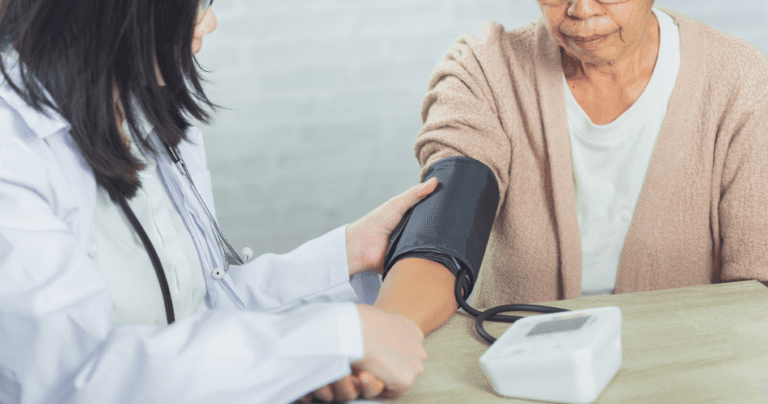
Your first visit will usually include a detailed discussion of your symptoms and medical history, along with relevant health checks such as blood pressure. Blood tests may be recommended to investigate other possible causes of your symptoms. If it has been a while since your last check-up, a broader health screening in Hong Kong may help your doctor assess relevant aspects of your overall health, including thyroid function and cardiovascular risk factors.
To get the most from the visit, track your symptoms and cycle for a few weeks beforehand using a notes app or a simple diary. Bring a list of your medicines and supplements, plus your questions.
Frequently Asked Questions
1. What menopause treatments are available in Hong Kong?
Menopause treatment in Hong Kong includes lifestyle and nutrition changes, hormone replacement therapy, non-hormonal medicines, talking therapies such as CBT, and integrative support. A doctor can help you weigh the benefits and risks of each based on your health history.
2. Is hormone replacement therapy safe?
HRT can be appropriate for many women, but the benefits and risks depend on factors such as age, medical history, treatment type, and duration. Some forms of HRT carry risks, including blood clots and breast cancer. A doctor should assess your individual circumstances before recommending treatment.
3. Do I need a specialist menopause doctor, or can my regular doctor help?
Many family doctors can manage menopause symptoms. A menopause doctor or clinic with experience in hormone health may offer a more focused assessment and a wider discussion of treatment options, which can help if your symptoms or medical history are complex.
4. How long does menopause treatment take to work?
Some symptoms begin to ease within days or weeks, although responses vary. Doctors commonly review treatment at around three months to check symptoms, side effects, and whether the plan needs adjusting.
5. Can I manage menopause without hormones?
Yes. Lifestyle changes, non-hormonal medicines, talking therapies, and integrative support can all help. Your doctor can advise which options suit your symptoms and health history.
The Bottom Line
Menopause is a natural stage of life, but you do not have to manage it alone. The right menopause treatment in Hong Kong starts with a doctor who listens carefully, checks for other causes, explains every option including the risks, and stays involved through regular follow-up. Whether you choose public services, a shared care route, or a private integrative practice, look for a menopause doctor in Hong Kong who takes your whole health picture seriously.
If you are ready to discuss your symptoms and explore personalised menopause treatment options, meet our team at Restore Integrative Medical Clinic.