

What is inflammaging?
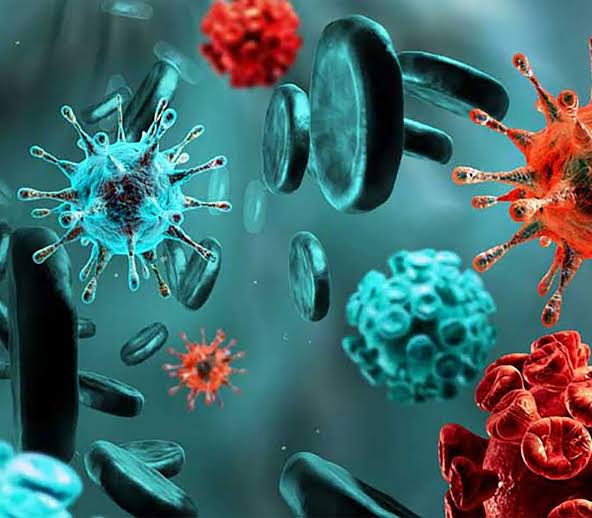
Inflammaging is the term used to describe low‑grade, chronic inflammation that builds up with age, even when you are not acutely sick or infected. Unlike the obvious swelling and redness you see when you sprain an ankle, inflammaging is usually invisible but quietly affects blood vessels, the brain, muscles, immune system and metabolism.
Over time, this constant “background noise” of inflammation increases the risk of conditions such as heart disease, stroke, type 2 diabetes, dementia, osteoporosis and frailty. Researchers now consider inflammaging one of the core hallmarks of biological ageing – meaning it is part of why some people age faster or slower than others, even at the same chronological age.[pubmed.ncbi.nlm.nih]
How does inflammaging develop?
Several processes work together over years to create inflammaging.[pubmed.ncbi.nlm.nih]
-
Immune ageing: As we age, our immune system becomes less efficient at fighting infections but more prone to producing inflammatory signals, a pattern known as immunosenescence.[pubmed.ncbi.nlm.nih]
-
Cellular “debris”: Damaged cells that should be cleared can linger and release inflammatory molecules, sometimes called the senescence‑associated secretory phenotype (SASP).[pubmed.ncbi.nlm.nih]
-
Lifestyle factors: Visceral fat around the organs, poor diet quality, physical inactivity, chronic stress, poor sleep and environmental toxins all contribute to this low‑grade inflammatory state.
-
Gut health: An imbalanced gut microbiome and increased intestinal permeability (“leaky gut”) can allow inflammatory molecules to enter the bloodstream and fuel systemic inflammation.
The key message is that inflammaging does not appear overnight. It reflects cumulative exposures and habits across decades – and this is exactly why it can often be slowed or partly reversed with targeted lifestyle and medical interventions.
Why inflammaging matters for longevity
From a longevity perspective, inflammaging is important because it acts as a common denominator behind many chronic diseases rather than just one specific diagnosis. Even mild elevations in inflammatory markers over time are associated with higher risk of cardiovascular events, metabolic disease, cognitive decline and all‑cause mortality.[pubmed.ncbi.nlm.nih]
By identifying and addressing inflammaging early, we are not just trying to reduce one lab value. We are aiming to protect the integrity of blood vessels, preserve muscle and bone, support brain function and maintain a resilient immune system into older age. In practical terms, targeting inflammaging is about adding more healthy, functional years – not simply living longer.
How do we assess inflammaging?
At our clinic, we look beyond “normal” basic blood tests to build a more complete picture of your inflammatory and immune status.
Commonly used markers include:
-
High‑sensitivity C‑reactive protein (hsCRP) – a sensitive marker of low‑grade systemic inflammation.
-
Interleukin‑6 (IL‑6) and tumour necrosis factor‑alpha (TNF‑α) – key inflammatory cytokines often elevated in chronic disease states.
-
Fibrinogen and other acute phase proteins – reflecting inflammatory and clotting balance.
-
Metabolic markers – such as fasting insulin, HOMA‑IR, lipid profile and liver enzymes, which often shift with inflammation.
-
Body composition and visceral fat assessment – via anthropometry or imaging, to understand how adipose tissue may be contributing to inflammatory load.
In more advanced assessments, we can include immune cell phenotyping, oxidative stress markers, gut microbiome testing and biological age tools that integrate inflammatory signals. The specific panel is tailored to your history, symptoms and risk profile.
There is currently also a test called GlycanAge that assesses inflammaging by measuring age‑ and inflammation‑related changes in IgG N‑glycosylation patterns and converting them into a composite “immune‑inflammatory biological age.” In practice, it acts as an integrative proxy for chronic, low‑grade immune activation.
Longevity Biomarkers: The Guide to Testing and Interpreting Results for Personalised Intervention
Practical lifestyle strategies to cool inflammaging
While we can use sophisticated tests, many of the most powerful levers to reduce inflammaging are within your daily control.
1. Anti‑inflammatory nutrition
-
Focus on whole, minimally processed foods: colourful vegetables and fruits, high‑quality proteins, extra‑virgin olive oil, nuts and seeds, legumes and low‑glycaemic whole grains.
-
Prioritise omega‑3 rich foods such as fatty fish (e.g. salmon, sardines), which help counterbalance pro‑inflammatory fats.
-
Reduce ultra‑processed foods, sugary drinks, refined carbohydrates and excessive alcohol, all of which can drive insulin resistance and inflammation.
An anti‑inflammatory nutrition plan does not need to be extreme; it needs to be consistent and tailored to your preferences, culture and lifestyle.
2. Movement as medicine
Regular physical activity is one of the most potent “anti‑inflammatory drugs” available.
-
Aim for a blend of aerobic training, strength training and everyday movement (steps, active commuting).
-
Even moderate‑intensity exercise can lower inflammatory markers and reduce visceral fat, while improving insulin sensitivity and cardiovascular health.
-
Strength training helps preserve muscle mass, which is critical in counteracting frailty and metabolic decline associated with inflammaging.
The key is not perfection but sustainable routines that you can maintain over years.
3. Sleep and circadian rhythm
Chronic sleep restriction and irregular sleep patterns increase inflammatory markers and disturb hormonal balance.
-
Protect a consistent 7–9 hour sleep window where possible.
-
Support circadian rhythm with morning daylight exposure, limiting bright screens at night and structuring caffeine use earlier in the day.
-
If snoring, apnoea or insomnia are concerns, a structured sleep assessment may be warranted.
4. Stress, mindset and nervous system regulation
Persistent psychological stress stimulates inflammatory pathways via the hypothalamic‑pituitary‑adrenal (HPA) axis and sympathetic nervous system.
-
Incorporate regular stress‑modulating practices such as breathwork, mindfulness, yoga, prayer, journaling or other contemplative habits.
-
Consider structured support (coaching, counselling, group programs) if stress or burnout are ongoing themes.
-
Build “micro‑recovery” moments into the day, especially in demanding professional and caregiving roles.
5. Environmental and toxin load
Reducing external inflammatory triggers is also important:
-
Avoid smoking and limit exposure to second‑hand smoke.
-
Minimise exposure to air pollution where possible (e.g. air filtration, route choices, indoor plants).
-
Be mindful of household and personal care products, favouring lower‑toxicity options where feasible.
Medical and advanced interventions
In an integrative longevity clinic setting, lifestyle is combined with targeted medical strategies to address inflammaging more precisely.
Depending on your profile, these may include:
-
Personalised nutraceutical protocols – such as evidence‑based omega‑3, polyphenols, vitamin D and other agents that support healthy inflammatory balance.
-
Metabolic optimisation – addressing insulin resistance, dyslipidaemia and blood pressure through integrated nutrition, exercise and, where appropriate, medication.
-
Gut‑focused interventions – including microbiome‑directed nutrition plans, probiotics or other strategies to improve barrier integrity and reduce endotoxin load.
-
Regenerative and cellular therapies – in carefully selected cases, to address senescence, mitochondrial function and tissue repair in a structured, monitored way.
All interventions are individualised and delivered within a medical framework that prioritises safety, evidence and ongoing monitoring.
Frequently asked questions (FAQ)
1. Is inflammaging the same as having an autoimmune disease?
No. Autoimmune diseases are conditions where the immune system mistakenly attacks specific tissues, often causing high levels of inflammation in particular organs. Inflammaging refers to a more subtle, systemic low‑grade inflammation that may not cause obvious symptoms but increases overall disease risk; however, the two can overlap and influence each other.[pubmed.ncbi.nlm.nih]
2. How would I know if I have inflammaging?
Many people with inflammaging feel “normal” or experience only vague symptoms like fatigue, brain fog or joint stiffness. The most reliable way to assess it is through a combination of blood markers, body composition, medical history and an assessment of lifestyle and environmental exposures.
3. Can I reverse inflammaging, or is it inevitable with age?
Some increase in inflammatory tone with age is common, but the degree varies widely between individuals and is strongly influenced by lifestyle. Studies suggest that targeted changes in nutrition, activity, sleep, stress and metabolic health can significantly reduce inflammatory markers and improve functional outcomes, even later in life.
4. How long does it take to see changes?
This depends on your starting point and how intensively we intervene. Some markers, such as hsCRP, can improve within weeks to months with consistent changes. Structural changes, like improved muscle mass, visceral fat reduction and better fitness, accumulate over months and years, contributing to a more youthful inflammatory profile.
5. Is anti‑inflammatory medication the answer?
Medications such as non‑steroidal anti‑inflammatory drugs (NSAIDs) have an important role in specific conditions but are not designed as long‑term tools to manage inflammaging and can have significant side effects. Our focus is on addressing root causes and using pharmacological agents judiciously within a broader, integrative plan rather than relying on chronic symptom‑based suppression.[pubmed.ncbi.nlm.nih]
How our clinic can help
At Restore Integrative Medical Clinic in Hong Kong, we integrate advanced diagnostics with personalised lifestyle and medical interventions to address inflammaging as part of a comprehensive longevity program.
Working with us typically includes:
-
A detailed intake and systems review to map your personal risk landscape.
-
Advanced biomarker testing to assess inflammatory, metabolic, hormonal and immune status.
-
A customised, step‑by‑step plan covering nutrition, movement, sleep, stress and environmental factors.
-
Ongoing coaching and medical follow‑up to refine your plan as your biomarkers and life circumstances evolve.
If you would like to understand your own inflammaging profile and explore targeted strategies to extend your healthspan, you can:
-
Book a longevity consultation (in‑person or virtual) with our team.
-
Bring your existing lab results for a second‑opinion review.
-
Enrol in our structured longevity or midlife optimisation programs.
This article is for educational purposes only and is not a substitute for professional medical advice. Always talk to a qualified healthcare provider about diagnosis and treatment.
Written by Dr Ho See Yunn
Chief Doctor Restore Integrative Medical Clinic
Longevity physician
Functional medicine practitioner
Begin Your Longevity Journey in Central, Hong Kong
Whether you’re seeking more energy, hormonal balance, or better sleep during the peri or postmenopausal period, our team at Restore Integrative Medical Clinic is here to guide you.
Book your personalised consultation today and discover what’s possible when your care is built around you.
Restore Integrative Medical Clinic — Room 1602, 16/F, 1 Duddell Street, Central, Hong Kong · +852 2331 8816 · restoreintegrativemedical.com