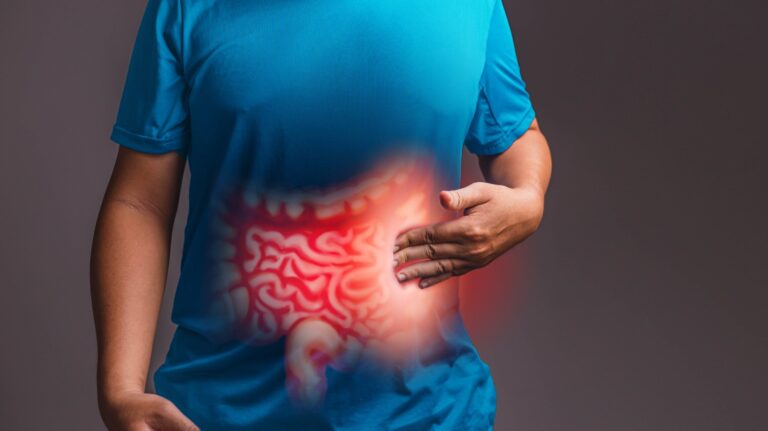


Food allergy is often thought of as a digestive issue, but its effects can extend far beyond the gut. In some people, food-triggered immune reactions can affect the nasal mucosa, irritate the airways, and worsen inflammatory skin conditions such as eczema. While food allergy is not the most common cause of allergic rhinitis, it can contribute to nasal symptoms in certain patients, especially when other allergic conditions are also present. Food allergy and atopic eczema also commonly overlap, particularly in children with early-onset or persistent eczema, as part of the allergic march.[pubmed.ncbi.nlm.nih]
What Is the Nasal Mucosa?
The nasal mucosa is the moist lining inside the nose that traps particles, warms inhaled air, and helps defend against allergens and irritants. When the immune system overreacts to a food allergen, inflammatory chemicals such as histamine may circulate through the body and affect the nasal passages. This can lead to swelling, increased mucus production, sneezing, itching, and congestion, which are classic symptoms of rhinitis. In other words, a food allergy can sometimes make the nose feel like it has a seasonal allergy, even when pollen is not the real trigger.[pubmed.ncbi.nlm.nih]
Can Food Allergy Cause Allergic Rhinitis?
Food-induced allergic rhinitis is possible, but it is relatively uncommon compared with environmental allergies such as dust mites, pollen, or mold. Studies and reviews note that rhinitis is a recognized symptom in food-allergic patients, but it is rarely the only symptom and is usually part of a broader allergic reaction. That means a patient may experience nasal symptoms together with hives, itching, stomach upset, or even wheezing after eating a trigger food. Because of this, food allergy should be considered when rhinitis symptoms appear soon after meals and repeatedly follow the same food exposure.[pmc.ncbi.nlm.nih]
How Food Allergy Affects the Nasal Mucosa
When food allergens enter the body, they may trigger immune cells to release inflammatory mediators that travel through the bloodstream. These mediators can reach the nasal mucosa and create inflammation, even though the allergen was swallowed rather than inhaled. This mechanism may produce runny nose, nasal blockage, sneezing, and watery discharge after eating certain foods. However, chronic nasal inflammation is much more often related to inhaled allergens than to food, so a careful clinical evaluation is needed before concluding that food is the cause.[pubmed.ncbi.nlm.nih]
The Link Between Food Allergy and Eczema
Eczema, also called atopic dermatitis, is a chronic inflammatory skin disorder characterized by dry, itchy, and inflamed skin. Research shows a strong association between atopic dermatitis and food allergy, especially in children with more severe, persistent, or early-onset eczema. In some patients, food exposure can worsen eczema flares, although food is not usually the root cause of eczema itself. Instead, eczema is driven by a combination of skin barrier dysfunction and immune overactivity, which can make the skin more vulnerable to allergen exposure.[sciencedirect]
Why Eczema and Food Allergy Often Coexist
One reason these conditions overlap is the “allergic march,” a pattern in which eczema appears first and may be followed by food allergy, allergic rhinitis, or asthma later on. A weakened skin barrier may allow allergens to enter through the skin more easily, increasing the risk of sensitization. This is particularly relevant in infants and young children, where moderate-to-severe eczema is one of the strongest risk factors for developing food allergy. Some experts also caution that removing tolerated foods without proper diagnosis may not improve eczema and may even increase the risk of developing true food allergy later.[nih]
Common Symptoms to Watch For
Food allergy can affect both the nose and the skin, but symptoms vary from person to person. Common warning signs include:
-
Sneezing, congestion, itching, or runny nose soon after eating a food trigger.[pubmed.ncbi.nlm.nih]
-
Eczema flares that appear repeatedly after the same meal or ingredient.[onlinelibrary.wiley]
-
Hives, facial redness, swelling, or itching along with nasal symptoms.[pubmed.ncbi.nlm.nih]
-
Digestive symptoms such as nausea, vomiting, or abdominal pain, which often occur together with respiratory or skin signs.[pubmed.ncbi.nlm.nih]
If these symptoms appear consistently after a specific food, allergy testing may help confirm the diagnosis.[pubmed.ncbi.nlm.nih]
How Food Allergy Is Diagnosed
Diagnosis starts with a detailed history. Doctors will usually ask what food was eaten, how soon symptoms appeared, how often the reaction happens, and whether the reaction affects the nose, skin, gut, or breathing. Testing may include skin prick testing or specific IgE blood tests, food allergy IgG test, but these tests alone do not prove that a food is causing symptoms. In many cases, a supervised oral food challenge is the gold standard for confirmation. For eczema, the key is to identify only clinically relevant food triggers rather than avoiding foods unnecessarily.[sciencedirect]
Treatment and Prevention
The main treatment for confirmed food allergy is strict avoidance of the trigger food, along with an emergency plan if severe reactions are possible. For eczema, treatment usually includes moisturizers, trigger control, and anti-inflammatory skin therapy rather than broad dietary restriction. Nasal symptoms may improve once the trigger food is identified and avoided, but persistent rhinitis often needs separate treatment for allergic or non-allergic causes. Because food allergy, eczema, and rhinitis often overlap, managing one condition without addressing the others may lead to ongoing symptoms.[pubmed.ncbi.nlm.nih]
When to Seek Medical Advice
You should seek medical evaluation if food seems to trigger repeated nasal symptoms, eczema flares, or any combination of skin and breathing reactions. This is especially important if symptoms happen quickly after eating, involve swelling or wheezing, or occur in a child with moderate-to-severe eczema. A proper diagnosis can prevent unnecessary food restriction and help protect long-term nutrition and immune health.[sciencedirect]
In summary,
Food allergy can affect the nasal mucosa, contribute to allergic rhinitis symptoms, and worsen eczema in people with allergic sensitization. However, these relationships are complex, and not every case of rhinitis or eczema is caused by food. The best approach is careful diagnosis, targeted treatment, and avoidance of only the foods that are truly confirmed triggers.[pubmed.ncbi.nlm.nih]
Written by Dr Ho See Yunn
Chief doctor Restore Integrative Medical Clinic
Longevity physician
Functional medicine practitioner
This article is for educational purposes only and is not a substitute for professional medical advice. Always talk to a qualified healthcare provider about diagnosis and treatment.
Begin Your Longevity Journey in Central, Hong Kong
Whether you’re seeking more energy, hormonal balance, or better sleep during the peri or postmenopausal period, our team at Restore Integrative Medical Clinic is here to guide you.
Book your personalised consultation today and discover what’s possible when your care is built around you.
Restore Integrative Medical Clinic — Room 1602, 16/F, 1 Duddell Street, Central, Hong Kong · +852 2331 8816 · restoreintegrativemedical.com
Related Articles

Hormone Replacement Therapy in Hong Kong: Benefits, Risks, and Treatment Options
Read More →
Hormone Imbalance Symptoms in Women: A Hong Kong Guide to Getting Answers
Read More →